
Currently Empty: ₹0.00

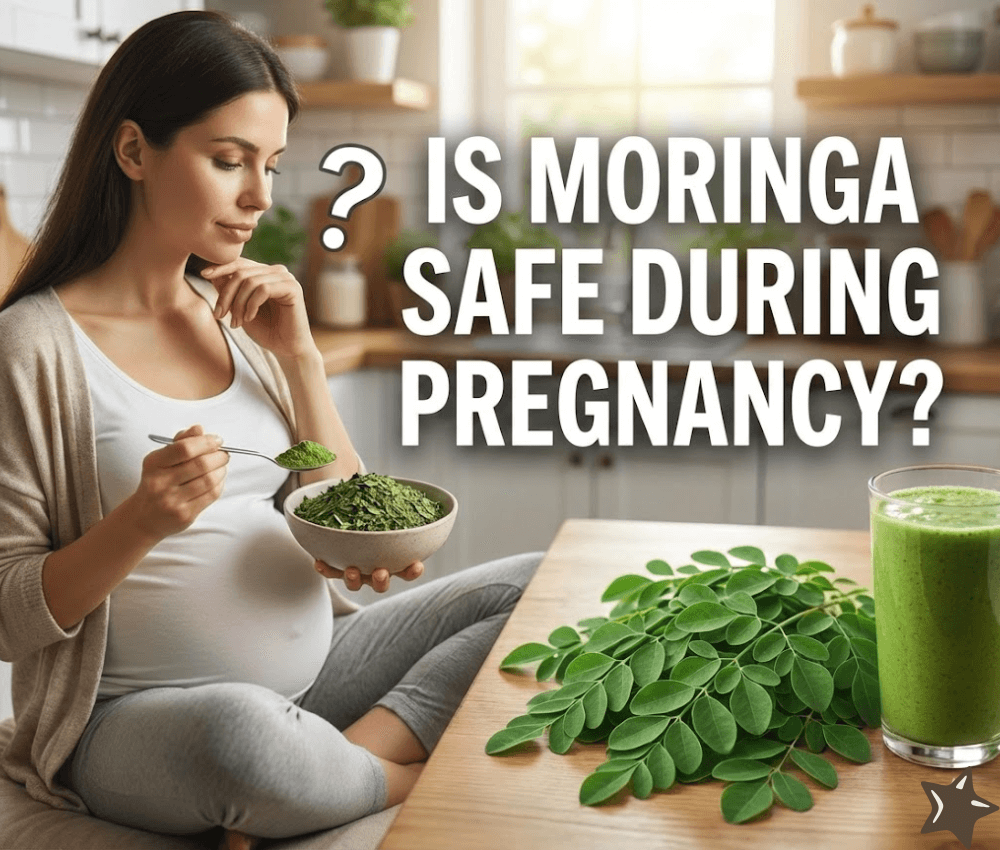
Moringa (Moringa oleifera) is a nutrient-dense plant used as food (leaves, pods/drumsticks) and also sold as powders, capsules, and extracts, During pregnancy, the big question is not only “Is it healthy?” but also “Is it proven safe in the exact form and dose I’m using?”
What Research Says in Simple Words
Human studies in a few countries have used moringa leaves or leaf powder as a nutrition support during pregnancy, especially to help with low hemoglobin (anemia) and poor diet intake, Some clinical studies and reviews report improved hemoglobin and related nutrition outcomes with moringa leaf use in pregnancy, without clearly reporting serious harms in those study settings, (PMC)
But here’s the key: “No harms reported” is not the same as “guaranteed safe for everyone”, Many studies are small, short-term, and based on food-style use (leaf/leaf powder), not strong extracts or mixed herbal products, (MDPI)
Leaf vs Root vs Bark vs Extracts
This is the most important safety point,
- Moringa leaves/pods (food forms): These are the forms most commonly studied and traditionally eaten, and they’re generally considered the safer option compared to other parts, (MDPI)
- Root and bark: These are the parts most often flagged for safety concerns in pregnancy in many traditional and consumer-med sources, because some compounds may have stronger biological effects, (WebMD)
- High-dose extracts (concentrated capsules/tinctures): Safety is less clear because extracts can be much stronger than normal food amounts, and supplement quality can vary widely, (NCBI)
Why Some Experts Still Say “Be Careful”
Even though leaf-based studies look encouraging, there are also animal studies suggesting moringa leaf extracts may trigger uterine (myometrial) contractions or pregnancy risks under certain conditions and doses, Animal results do not always match humans, but they are still a caution signal—especially for concentrated extracts, (ScienceDirect)
When Moringa Might Be Helpful During Pregnancy
If your doctor agrees, moringa leaf as a food or mild supplement may support nutrition, especially if your diet is low in iron-rich foods, Some pregnancy-focused studies link moringa leaf intake with better hemoglobin levels, and some reviews discuss potential benefits for maternal nutrition, (PMC)
When You Should Avoid Moringa in Pregnancy
Avoid moringa (or pause and speak to your OB-GYN first) if any of these apply,
- You are in the first trimester and planning to use supplements or extracts,
- You have a history of miscarriage, preterm labor, or uterine cramps,
- You are advised pelvic rest or have high-risk pregnancy complications,
- You plan to use moringa root/bark products, (WebMD)
- You are using blood sugar or blood pressure medicines (moringa may have metabolic effects, and your dose may need monitoring), (MDPI)
Safe Use Guide (Practical and Beginner-Friendly)
These are safer, common-sense rules used by many clinicians when they allow moringa during pregnancy,
- Choose food first: Prefer cooked leaves or drumsticks in meals over capsules/extracts, (MDPI)
- Avoid root/bark: Do not use moringa root or bark during pregnancy, (WebMD)
- Avoid high-dose extracts: Concentrated products are higher risk because dosing and purity are less predictable, (NCBI)
- Buy clean products: Supplements can vary from label claims, so choose reputable brands with testing (heavy metals, microbes), (NCBI)
- Start low, watch your body: Stop if you notice cramps, bleeding, diarrhea, allergy symptoms, or unusual discomfort,
- Tell your doctor: Always share what you take, especially if you also take iron tablets, thyroid meds, diabetes meds, or BP meds,
Moringa and Breastfeeding (Quick Note)
Moringa leaf is widely discussed as a galactagogue (milk supply support) postpartum, and recent reviews suggest it may increase milk volume in some mothers, but dosing and long-term safety still need stronger studies, (MDPI)
FAQs
Is moringa safe in pregnancy in general?
Moringa leaf as a food is generally viewed as safer than supplements, but you should still ask your doctor because every pregnancy is different, (MDPI)
Can I take moringa capsules while pregnant?
Capsules are more concentrated than food, and quality varies, so do it only if your doctor approves, (NCBI)
Which part of moringa is unsafe during pregnancy?
Avoid moringa root and bark products during pregnancy, (WebMD)
Does moringa cause miscarriage?
Some animal research suggests certain moringa leaf extracts may affect the uterus, so it is safest to avoid extracts and use only food forms if your doctor allows, (ScienceDirect)
Can moringa help with low hemoglobin in pregnancy?
Some studies report improved hemoglobin with moringa leaf intake, but it should not replace prescribed iron without medical advice, (PMC)
Is moringa safe in the first trimester?
Many cautious guidelines suggest avoiding supplements/extracts in early pregnancy unless your doctor recommends it, (WebMD)
Can I eat drumsticks (moringa pods) during pregnancy?
Drumsticks are a common food in India and are generally considered a normal dietary item, but if you have a high-risk pregnancy, confirm with your doctor, (MDPI)
Can moringa affect blood sugar?
Some research reviews discuss metabolic effects, so if you have gestational diabetes or take sugar-control medicines, you need medical guidance, (MDPI)
Can moringa affect blood pressure?
Some trials review blood-pressure outcomes with moringa supplementation, so people on BP treatment should be cautious and consult a clinician, (MDPI)
How do I pick a safe moringa powder?
Choose a trusted brand with lab testing because supplements can vary from the label in real life, (NCBI)
Is moringa tea safe during pregnancy?
Tea strength varies, so avoid strong extracts and stick to mild, food-based use only with your doctor’s approval, (WebMD)
Can moringa replace prenatal vitamins?
No, prenatal vitamins are designed for pregnancy needs, moringa can be only a supportive food, not a replacement, (MDPI)
Conclusion
Moringa can be a healthy nutrition booster, but pregnancy needs extra caution, Current research looks more supportive for moringa leaves/leaf powder used like food, especially for nutrition and hemoglobin support, but root/bark and high-dose extracts are best avoided, The safest approach is: use food forms, keep doses moderate, choose clean products, and take your OB-GYN’s guidance before using any supplement, (MDPI)